Every Clinician Should Be Trained in Misophonia.
It’s free, and it only takes an hour.
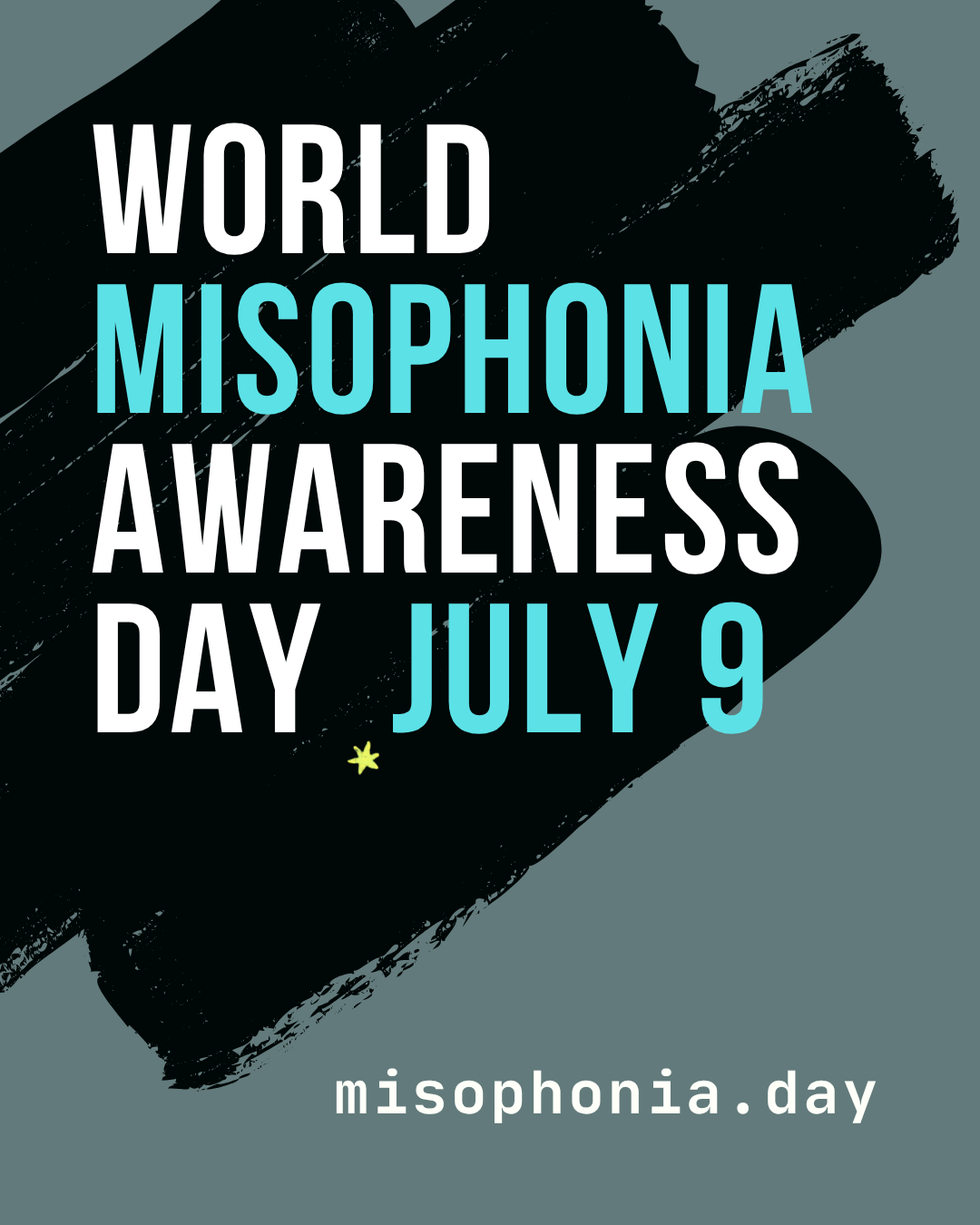
I want to talk to my fellow clinicians for a minute, because World Misophonia Awareness Day, observed every year on July 9, is exactly the kind of day that should push our field to do better.
I did not come to misophonia treatment through a textbook first.
I came to it through family.
I have watched people I love live with misophonia, and I have watched how isolating it is when even trained professionals do not recognize what is happening.
I have sat with clients who saw multiple providers before anyone said the word "misophonia" out loud.
That gap, between how common this condition is and how few clinicians know how to recognize it, is a problem we can actually solve.
Misophonia Is Neurological, Not a Character Trait
For years, misophonia was framed as a psychological quirk, something closer to a strong dislike or an anger management issue than a genuine clinical condition.
The research has since moved well past that framing.
Misophonia is associated with atypical connectivity between sensory processing regions and the brain areas responsible for emotion regulation.
Studies out of the Duke Center for Misophonia and Emotion Regulation, an international leader in misophonia research, point to atypical activity and connectivity in the anterior insular cortex, the region that processes emotion and interoceptive signals, along with heightened connectivity between that region and the auditory cortex when a person is exposed to a trigger sound.
That is a neurological signature, not a personality flaw or a symptom of poor emotion regulation skills a client simply has not learned yet.
Symptoms typically emerge between ages nine and thirteen and, without intervention, tend to be lifelong.
Research estimates that some degree of misophonia symptoms may be present in as many as one in five people, with a smaller subset experiencing symptoms severe enough to significantly impair daily functioning, relationships, school, or work.
And still, misophonia remains widely underdiagnosed and frequently misattributed to anxiety, sensory processing disorder, OCD, or general irritability.
Why This Matters for Your Practice, Even If You Never Specialize in It
You do not need to become a misophonia specialist to make a difference here.
You need to be able to recognize it, name it accurately, and refer well.
That is the entire premise of good clinical gatekeeping, and right now our field is not doing it consistently enough.
Clients are showing up in general anxiety treatment, couples therapy, and family therapy with misophonia driving the presenting problem, and it is going unnamed.
Getting this right matters because misidentifying misophonia as generalized anxiety or an emotion regulation deficit can lead to interventions that miss the actual mechanism, and because the moment a client hears the word "misophonia" for the first time is often the moment they stop feeling broken and start feeling understood.
That reframe alone can change the trajectory of treatment.
What We See on the Family Side
I want to name something that does not get talked about enough in clinical training: misophonia does not just affect the identified client.
It reshapes entire households.
Siblings, parents, and partners often carry real distress trying to navigate a family member's triggers, and they need support and tangible tools too, not just an explanation of what misophonia is.
If you are treating a client with misophonia, consider whether the family around them also needs a space to process this.
At The And Way Therapy, we treat misophoniain adults and teens using Inference-Based Cognitive Behavioral Therapy (I-CBT), and we also work directly with family members and loved ones on practical tools for reducing conflict and rebuilding connection at home.
It is hard to overstate how difficult this is for families to navigate on their own, and it does not have to be navigated alone.
The Free Training Every Clinician Should Take
This is the part I most want you to act on.
soQuiet, the nonprofit misophonia advocacy organization behind World Misophonia Awareness Day, offers a free one-hour online course built specifically for clinicians.
It covers the basics of what misophonia is, how it presents, and how to talk about it with clients and families.
It is free, it is an hour of your time, and it closes a gap that a lot of us were never trained on in graduate school.
If you want to go deeper, Duke's Center for Misophonia and Emotion Regulation is the research authority in this space and a genuinely excellent resource for clinicians who want to stay current on the evidence base as it develops.
An Invitation
This July 9, I am asking colleagues in our field to do one thing: take the free soQuiet clinician course, share it with your consultation group, and start naming misophonia when you see it.
Under-diagnosis is not inevitable.
It is a training gap, and it is one we can close together.
Happy World Misophonia Awareness Day. Let's make sure every provider knows this word, and every client who has it finally feels seen.
Kelsey Blahnik, LCSW-S, is an OCD and trauma specialist, ASWB-approved CEU trainer, and clinical supervisor. She treats misophonia using I-CBT at The And Way Therapy in Austin and Dripping Springs, Texas, with virtual care across Texas and Florida.
FAQs About Misophonia Training for Clinicians
-
Misophonia is a condition where specific sounds, and sometimes related visual cues, trigger intense emotional, physical, or behavioral responses.
These responses are not simply annoyance or irritability.
For many people, misophonia can affect relationships, school, work, family life, and daily functioning.
-
A clinician should consider a misophonia referral when a client reports strong distress, anger, panic, avoidance, shutdown, or conflict connected to specific trigger sounds or related cues.
Referral may also be helpful when symptoms are disrupting relationships, school, work, meals, family routines, or social functioning.
-
Misophonia treatment is still an emerging area of clinical care, and research continues to develop.
At The And Way Therapy, we treat misophonia in adults and teens using Inference-Based Cognitive Behavioral Therapy, also known as I-CBT, while also supporting family members and loved ones with practical tools for reducing conflict and rebuilding connection.
-
Clinicians who want to learn more about the research behind misophonia can explore resources from the Duke Center for Misophonia and Emotion Regulation, which conducts clinical research, provides education, and offers resources related to misophonia assessment and care.

Written by Kelsey Blahnik, LCSW-S
Kelsey Blahnik, LCSW-S, is an author, clinician, and creator of The And Way model. She is an advocate committed to bringing peace and justice into our politically divided world. With extensive experience in behavioral health, including work with substance abuse, unhoused individuals, and veterans, Kelsey has witnessed the impact of division on communities. She is the owner of a thriving online group therapy practice, The And Way Therapy, and author of the book The And Way: Assertive Peacemaking in a Divided World.
Outside the therapy room, you’ll usually find her reading, hiking, or enjoying matcha.
Schedule your professional consultation here.